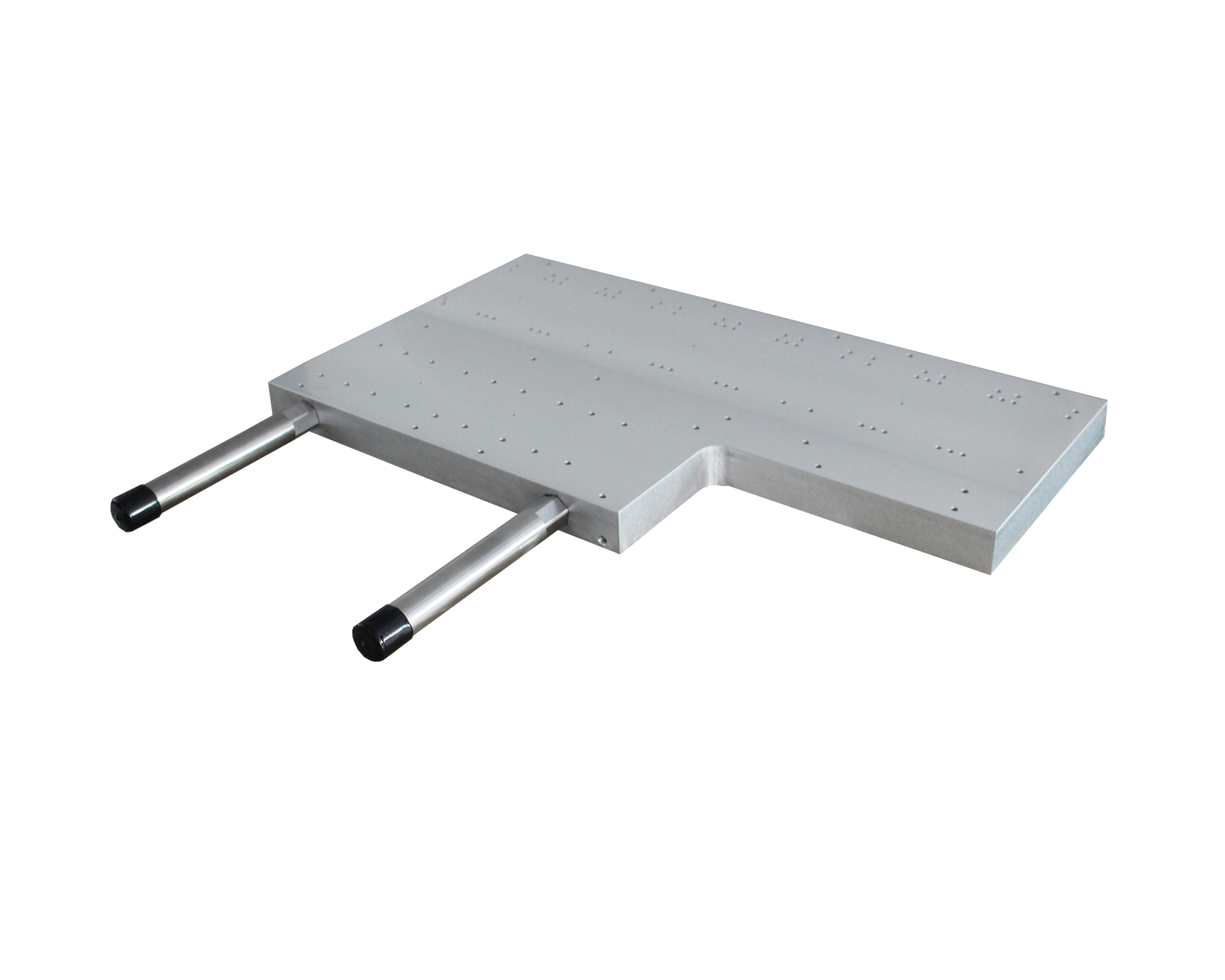
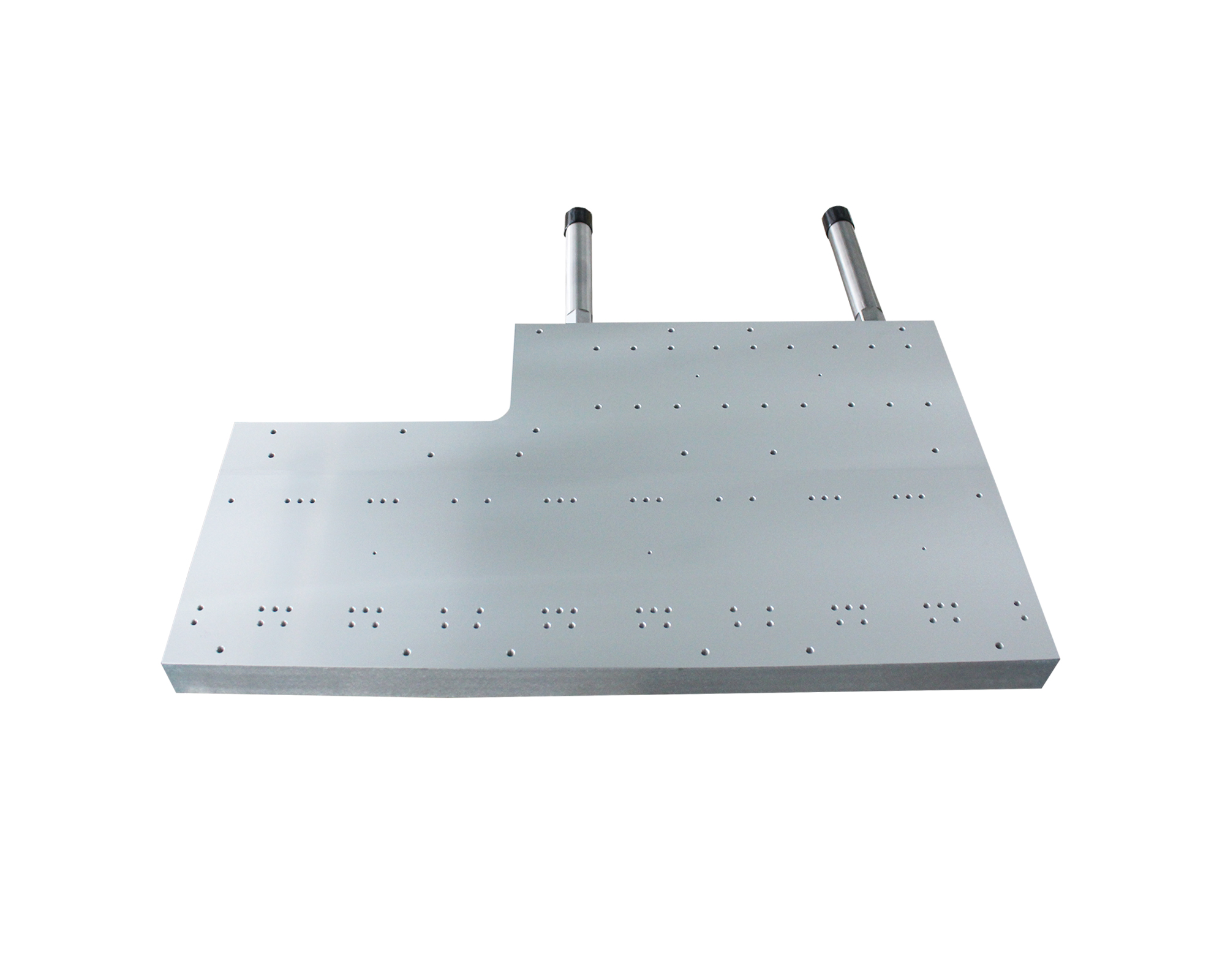
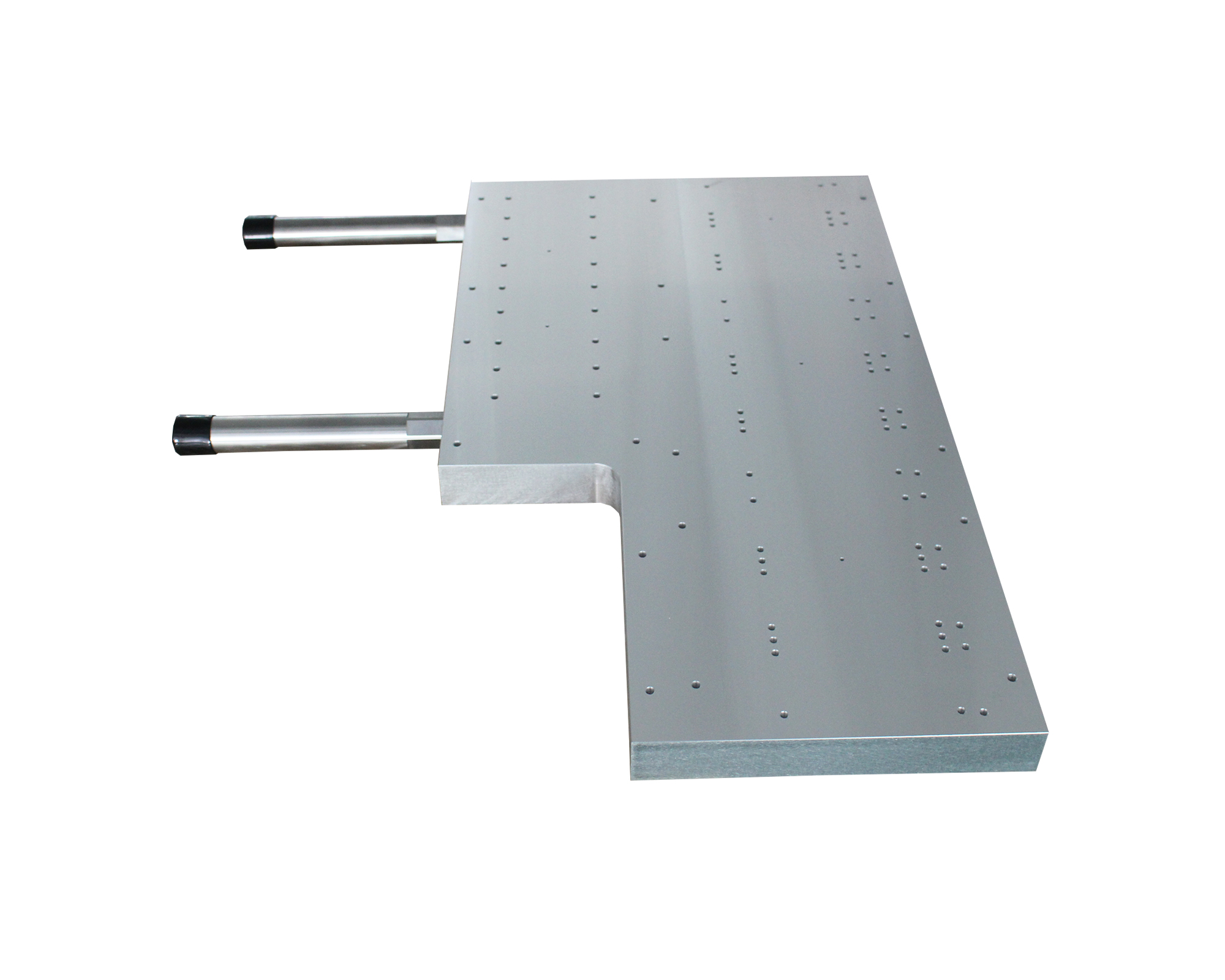
Liquid cooling systems utilize pumps to circulate coolant to efficiently transfer and dissipate heat. The core component, the Liquid Cold Plate (or Water Block), is designed to absorb heat directly from high-power components, including CPUs, GPUs, lithium batteries, 5G communication equipment, IGBT controllers, UPS, and energy storage systems. It is also essential for thermal management in large-scale photovoltaic inverters and SVG/SVC systems. The absorbed heat is then transferred away from the heat source and discharged to the environment through a high-performance radiator.
In sectors such as power electronics, energy conversion, and new energy(e.g, EV battery cooling, server thermal management, and renewable energy systems), the pursuit of high efficiency, low noise, and compact design has made heat dissipation a primary bottleneck in product development. Consequently, liquid cooling technology has become the preferred thermal management solution to overcome these engineering challenges.