New energy vehicles: component giants compete with thermal management systemsIssuing time:2024-03-27 11:36 Not only mileage anxiety, but also battery safety anxiety and life anxiety of new energy vehicles are related to thermal management systems. As one of the core technologies of new energy vehicles in addition to the "three electricity", the thermal management system has become another "arena" for domestic and foreign car companies to compete.
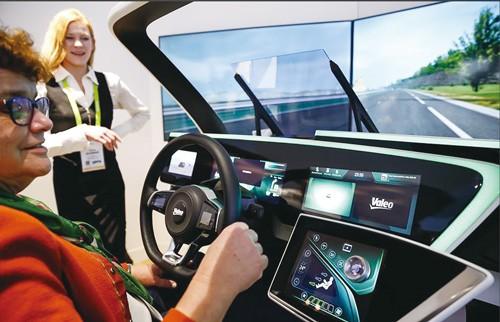
Not only Tesla, BMW, SAIC, BYD, NIO and other domestic and foreign vehicle enterprises in electric models increased the focus on vehicle level thermal management, but also Valeo, Mahle, Continental Group, BorgWarner, Rheinmetall and other international parts giants, as well as Hua Yu Automobile, Sanhua intelligent control and other domestic parts enterprises are accelerating the new energy vehicle thermal management system market. Beach heat management system market At the Shanghai Auto Show, Valeo showcased its multi-scenario, multi-climate thermal management system and cabin comfort solutions, including an innovative heat pump system that uses refrigerants to convert air energy into power for efficient cabin heating, cooling and fog removal. The heat pumps in MAHle Thermal management systems concentrate the heat generated by components such as batteries, traction motors and power electronics and allow them to be upgraded to heat the car. "We have already obtained a batch production project for heat pumps, and the first batch production project will be in China." Chairman and CEO of Mahle Group Management Board told the media. Mahle is also working with Faurecia to develop innovative cabin thermal management technologies. In BorgWarner's comprehensive range of thermal management solutions, including cabin and battery heaters, efficient battery heaters have fast response characteristics for optimal battery and cabin temperature management. High-pressure cabin heaters, with their zoned heating and core temperature sensing capabilities, create a comfortable cabin interior. Vibast also integrates the thermal management system into the lower housing, making the system more integrated and thermal management more efficient. The thermal management system presented by Continental uses new technologies such as the new multi-way valve-coolant flow control valve to meet the vehicle heating and cooling needs in a more energy efficient way. The first thermal management systems for electric vehicles are scheduled to begin mass production in China by the end of 2019. Heat pump air conditioning ensures low energy consumption At present, most electric vehicles are mainly heated by electric heaters, resulting in a shorter range and shorter charging cycle. How to deal with the changeable and even extreme climate conditions, while improving the comfort of the ride, to ensure the best driving range, is a problem that must be solved in the development process of electric vehicles. In electric vehicles, batteries and electric drive systems have replaced the engine, and the electric vehicle air conditioning system has changed greatly compared with the traditional car air conditioning system. The first is the refrigeration mode, the refrigerant circulation power source is provided by the electric compressor; The second is the heating mode, which needs to find a heat source to replace the engine coolant, such as PTC, water heating cycle, etc. From the trend point of view, to ensure low energy consumption heating, heat pump air conditioning is the best solution, its efficiency factor is 2-3 times higher than PTC heating, the mileage can be increased by more than 20%, Nissan Leaf, Toyota Prius, BMW i3, Volkswagen electric Golf and other models have been mass produced. It is expected that by 2020, the domestic heat pump penetration rate can reach 10%, and by 2025, it can reach 30%. The heat pump air conditioning system shares a set of refrigerant circulation system in the cooling and heating mode, and realizes the functions of cooling, heating and dehumidification through the switching and control of the electromagnetic valve, electronic expansion valve and electric compressor. At present, Denso, Valeo, Hanang, Mahle and other international thermal management giants have launched vehicle heat pump air conditioning systems, and some domestic parts companies have also begun to form a supply system. Among them, it is worth mentioning that Huayu Automobile's Huayu Sanelectric has independent intellectual property rights of heat pump air conditioning system design and core components. When the heating air conditioner is opened in winter, the vehicle mileage can be increased by about 30% compared with the air conditioning system that uses high pressure PTC to provide a heat source. The Roewe Ei5 and MARVEL X equipped with the heat pump air conditioning system still perform well in winter when the warm air is turned on. The main cause of spontaneous combustion is thermal runaway of the battery The thermal management system of new energy vehicles is mainly composed of four parts: automobile air conditioning system, battery thermal management system, motor electronic control cooling system and reducer cooling system. With the increase of electric vehicle on-board power and the improvement of battery energy density, the technical level of battery thermal management system not only directly affects the performance of driving range, but also relates to the safety of electric vehicles. The management object of the new energy vehicle thermal management system also extends from the cockpit to the battery, motor electronic control and other fields. According to the public opinion information of the State Administration for Market Regulation, more than 40 new energy vehicle fires occurred in 2018. The main cause of spontaneous combustion of electric vehicles is, to a large extent, because the thermal runaway of electric vehicle batteries turns into thermal spread, resulting in accidents. Generally speaking, thermal runaway is the failure of the thermal management system to protect the stability of the battery due to design defects and other reasons, resulting in overheating of the battery, which leads to spontaneous combustion. The battery thermal management system is through technical means, so that the battery is always in the normal working state within 45 ° C, even if there are individual batteries in the battery pack temperature is too high, the thermal management system can also detect, alarm, and appropriate intervention. Sensata took the lead in the Shanghai Auto Show to launch the battery thermal runaway intelligent monitoring solution led by the research and development team in China. The related products are placed in the battery pack, which can realize 24-hour monitoring and self-diagnosis of the battery, and can quickly respond to the phenomenon of thermal runaway to avoid deterioration. The product is expected to be put into production vehicles starting next year. |